Simulator Drills for Merging Progressive Stakes with Table Dynamics in Digital Blackjack
Written by Viktor Simon · Sep 20, 2026
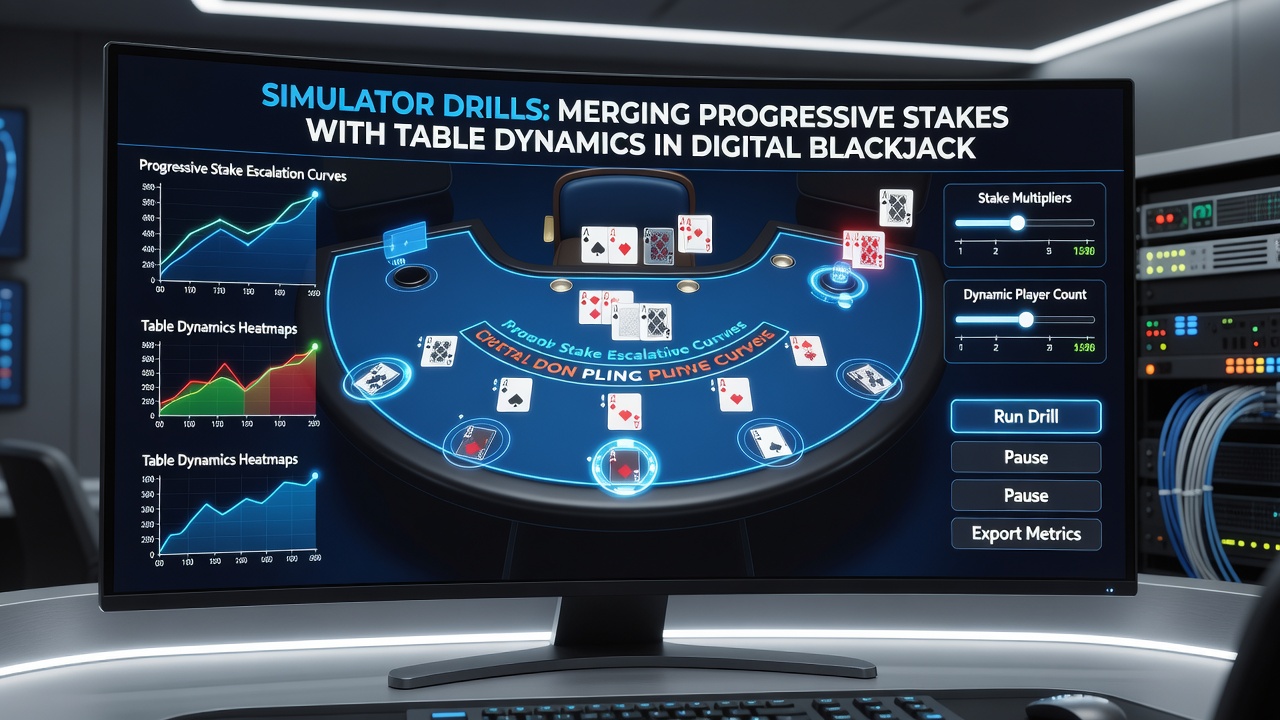
Simulator Drills for Merging Progressive Stakes with Table Dynamics in Digital Blackjack
Digital blackjack platforms incorporate simulator tools that allow users to practice combining progressive stake systems with real-time table variables such as dealer upcards, remaining deck composition, and multi-player seat interactions. These drills replicate the flow of online sessions where bet sizing must adjust according to both mathematical progression models and immediate game conditions.
Core Elements of Progressive Stake Integration
Progressive stake methods involve structured bet increases after wins or losses, and simulators embed these sequences within digital table layouts that update dynamically. Research indicates that effective drills separate the progression rules from static charts by layering them onto live simulations of card distribution and payout calculations. Observers note that platforms often update these modules quarterly to reflect changes in random number generator algorithms used across regulated markets.
Table dynamics include factors like the number of active seats, the speed of card reveals, and the frequency of reshuffles in virtual decks. When merged with stake progressions, the drills require users to monitor multiple data points simultaneously, including current bet level, win streak counters, and any deviations in expected value based on visible cards.
Drill Structures Used in Training Modules
Training sequences typically begin with isolated progression runs on single-hand tables before introducing full table dynamics such as competing player actions and dealer decision trees. One common format starts users at a base unit bet and escalates through fixed multipliers while the simulator introduces random shoe depletion rates. Data from industry reports shows that completion rates for these combined exercises improve when sessions run between 50 and 100 hands with variable deck penetration levels.
Multi-Variable Scenario Building
Advanced modules present scenarios where progressive increases coincide with shifts in table occupancy or rule variations, such as dealer hitting on soft 17 or changes to double-down restrictions. Users practice recalibrating stake steps when a new player joins mid-shoe or when the simulator triggers an early shuffle. Those who complete repeated runs across different rule sets report higher consistency in maintaining progression boundaries under fluctuating conditions.
Regulatory Context and Platform Standards
According to figures from the Nevada Gaming Control Board, digital blackjack operators must maintain audit logs of simulation tools offered to users, particularly when stake progression features interact with game outcome generators. In September 2026, several North American jurisdictions plan to release updated technical standards that address how simulators display combined stake and table data without implying guaranteed outcomes.
Canadian provincial regulators, including those in Ontario, require clear separation between practice modes and real-money interfaces when progressive elements appear. Industry associations such as the European Gaming and Betting Association have published guidelines on simulator transparency that emphasize accurate representation of table dynamics during stake adjustment sequences.
Performance Tracking Within Simulator Environments
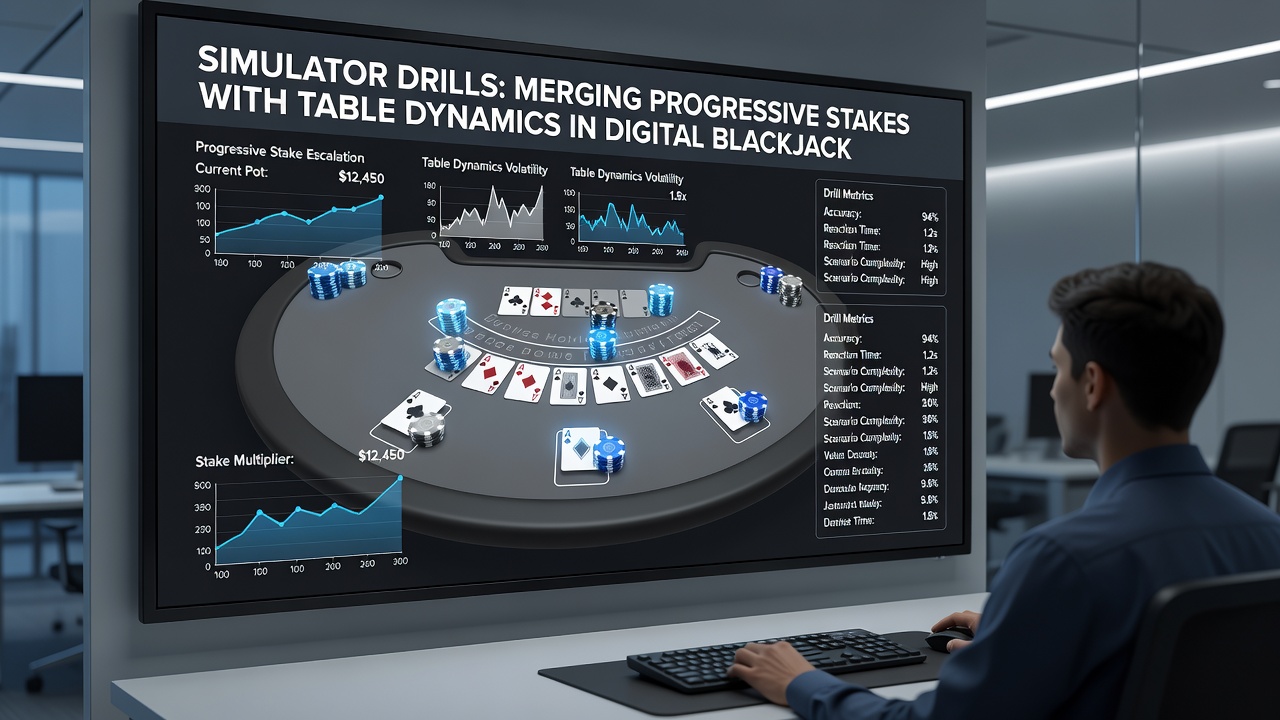
Most platforms log metrics including average bet escalation rates, deviation from planned progression paths, and correlation between stake changes and table events. Research from academic sources at institutions studying gambling systems indicates that users who review these logs after each session demonstrate measurable reductions in unintended bet overrides. The logs often export in formats compatible with spreadsheet analysis, allowing detailed review of how specific table variables influenced progression decisions.
Drill customization options let users set parameters for deck count, penetration percentage, and player count before each run. This flexibility supports targeted practice on high-variance table states where progressive stakes encounter rapid shifts in expected returns.
Conclusion
Simulator drills that integrate progressive stakes with table dynamics provide structured environments for examining bet sequencing under controlled digital conditions. Available data from regulatory bodies and research groups continues to shape how these tools evolve, with upcoming standards in 2026 expected to refine display and logging requirements. Users access these features across platforms that operate under varying jurisdictional frameworks, each maintaining distinct technical specifications for simulation accuracy.